

The GEDCOM standard has defined the format of dates to allow this information to be passed between Family History Software programs or Analysis Tools like FTAnalyzer.
Even though there is a standard, most FHS allow users to add any date format they want to. This might make sense to the users as they enter the dates but makes it very difficult if you ever need to transfer your tree to another FHS or to use Analysis Tools like FTA.
Here is a list of the date formats from the GEDCOM Specification. All formats in blue are the preferred option and should be used before creating a non standard format.
In the following examples DATE can be in any of the following formats

To build up a range of dates, the following are used
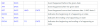
Because FHS programs don’t enforce users to adhere to the GEDCOM standards, FTAnalyzer can detect and interpret the following date format variations.
Even though there is a standard, most FHS allow users to add any date format they want to. This might make sense to the users as they enter the dates but makes it very difficult if you ever need to transfer your tree to another FHS or to use Analysis Tools like FTA.
Here is a list of the date formats from the GEDCOM Specification. All formats in blue are the preferred option and should be used before creating a non standard format.
In the following examples DATE can be in any of the following formats
To build up a range of dates, the following are used
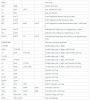
Because FHS programs don’t enforce users to adhere to the GEDCOM standards, FTAnalyzer can detect and interpret the following date format variations.
Last edited:


