
-
Only registered members can see all the forums - if you've received an invitation to join (it'll be on your My Summary page) please register NOW!
-
It's easier than ever before to check your entries from the 1881 Census - more details here
You are using an out of date browser. It may not display this or other websites correctly.
You should upgrade or use an alternative browser.
You should upgrade or use an alternative browser.
All Greek to me
- Thread starter peter
- Start date


Pauline
LostCousins Megastar
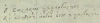
It's all Greek to me too, but I consulted my resident linguist who knows some Greek and he offers the following:
It starts with "These were sought"
and ends with "and they were not found"
The 3rd & 4th words may be "of their writings" followed by "the genealogists", which is the subject of the sentence.
So overall possibly something along the lines of "The genealogists who wrote these things were sought but not found".
Does that fit with the context?
It starts with "These were sought"
and ends with "and they were not found"
The 3rd & 4th words may be "of their writings" followed by "the genealogists", which is the subject of the sentence.
So overall possibly something along the lines of "The genealogists who wrote these things were sought but not found".
Does that fit with the context?
Pauline
LostCousins Megastar
Without having seen the register, I wonder if the first comment might relate to entries which had been copied into it from some rough notes or someone's memory where the writer had been unable to verify the information or its source. Then the second comment relates to events he has witnessed and so can verify the entries to be correct.The plot thickens!
Why the comments were written in Greek is anybody's guess!

Susan48
LostCousins Superstar
Possibly because clergymen would have had a grounding in both Latin and Greek and were familiar with the Greek New Testament.Why the comments were written in Greek is anybody's guess!
Pauline
LostCousins Megastar
Yes, but why choose to use Greek here?Possibly because clergymen would have had a grounding in both Latin and Greek and were familiar with the Greek New Testament.

Probably so that only those with a classical education, ie clerics, could read it?Yes, but why choose to use Greek here?