
GrahamC
LostCousins Member
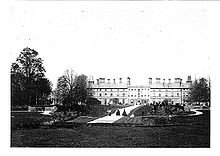
Depression was not recognised as an illness until the 20th century. Before then sufferers would probably die in a Lunatic Asylum or Workhouse if they didn't take their own life first. My 3 x great uncle Richard Worsley was probably one of the lucky ones.
Chelmsford Chronicle Friday 27 October 1871.
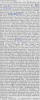
A SPECIMEN FROM PAUPERDOM.- Richard Worsley, who appeared in the garb of a workhouse inmate, was charged with wilfully neglecting his children and allowing them to be chargable to the Chelmsford union. - Mr. Duffield, who appeared to prosecute, said the prisoner was a blacksmith. He had been living on the ratepayers of this union for a considerable time, and not only he but a number of his children with him. [A laugh.] He could have had a permanent situation over and over again, but he was absolutely too lazy to work. - Mr. Mason, workhouse master, and Mr. Cole, relieving-officer, were called in support. It was proved among other things, that he could have had work at from 18s. to 20s. per week. - A medical certificate was produced showing that the prisoner was able to labour. - Prisoner : I know my own feelings as well as the doctor. [A laugh.] - Mr. Duffield : Yes we know your feelings; you prefer to live on the ratepayers rather than do any work. [Laughter]. - The Chairman said the bench had made up their minds to see whether the accused really could work by sending him for a month on the tread wheel [A laugh.]
Richard had recently lost his wife and at least one child. His two teenage sons had left home and he had two young kids to look after. No wonder he was depressed.
By the 1881 census Richard appears to have fought off the "Black Dog". He had left the Workhouse and was working at his trade.
Chelmsford Chronicle Friday 27 October 1871.
A SPECIMEN FROM PAUPERDOM.- Richard Worsley, who appeared in the garb of a workhouse inmate, was charged with wilfully neglecting his children and allowing them to be chargable to the Chelmsford union. - Mr. Duffield, who appeared to prosecute, said the prisoner was a blacksmith. He had been living on the ratepayers of this union for a considerable time, and not only he but a number of his children with him. [A laugh.] He could have had a permanent situation over and over again, but he was absolutely too lazy to work. - Mr. Mason, workhouse master, and Mr. Cole, relieving-officer, were called in support. It was proved among other things, that he could have had work at from 18s. to 20s. per week. - A medical certificate was produced showing that the prisoner was able to labour. - Prisoner : I know my own feelings as well as the doctor. [A laugh.] - Mr. Duffield : Yes we know your feelings; you prefer to live on the ratepayers rather than do any work. [Laughter]. - The Chairman said the bench had made up their minds to see whether the accused really could work by sending him for a month on the tread wheel [A laugh.]
Richard had recently lost his wife and at least one child. His two teenage sons had left home and he had two young kids to look after. No wonder he was depressed.
By the 1881 census Richard appears to have fought off the "Black Dog". He had left the Workhouse and was working at his trade.